


“Pragmatism isn't cruelty; it's the only armor women of my generation were allowed to wear.”
The Fourth Daughter
Lyn Liao Butler
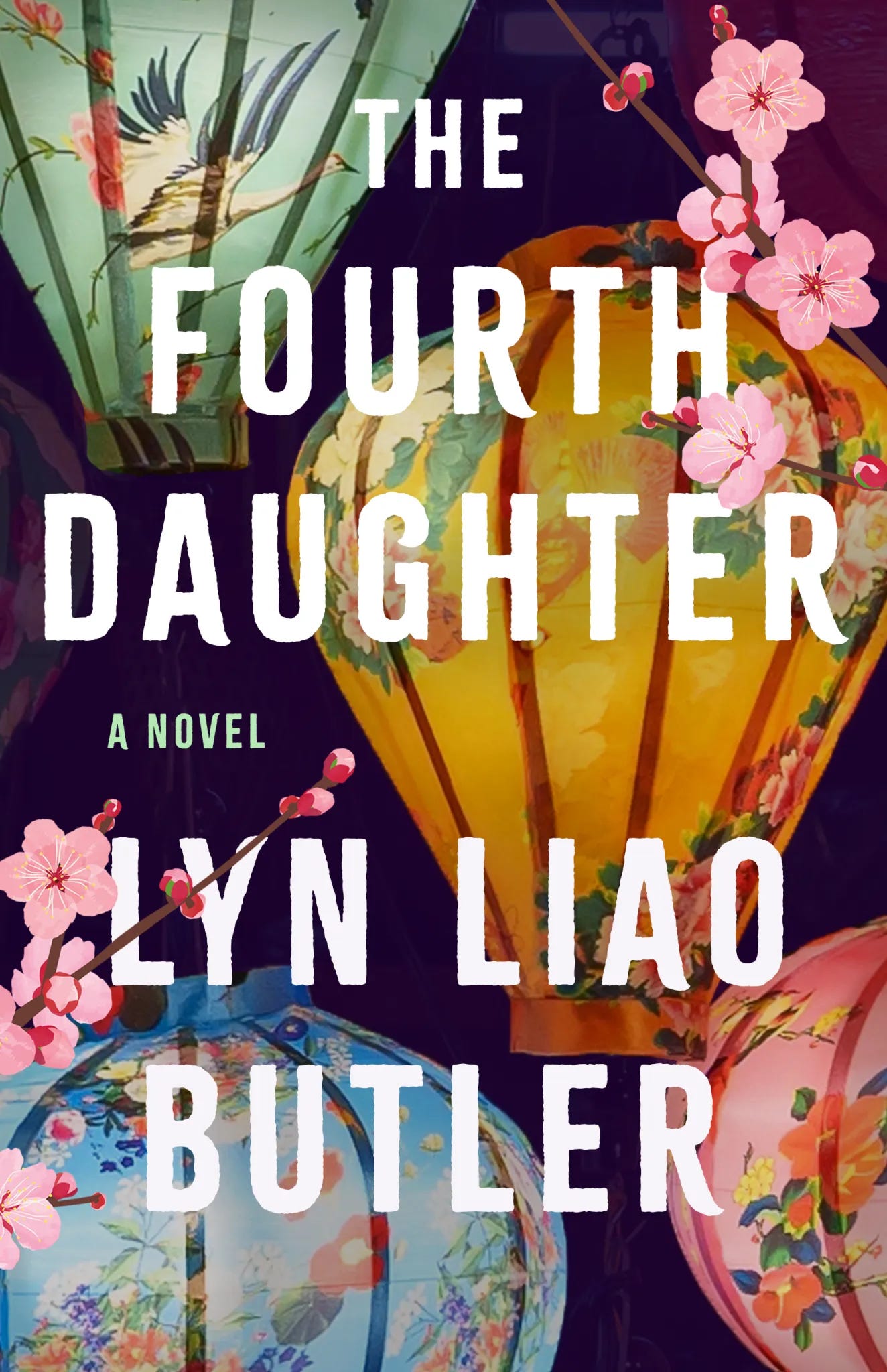
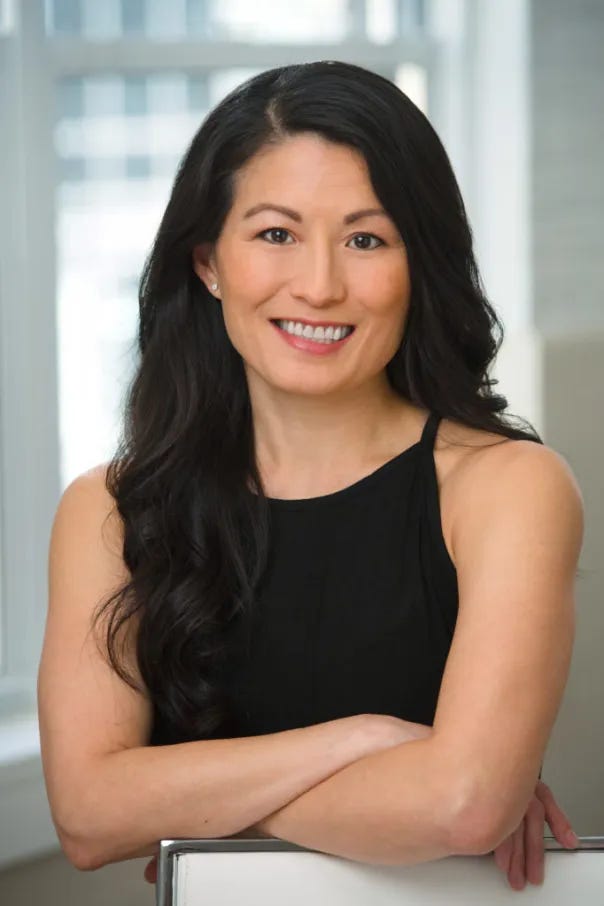
Lyn Liao Butler guides readers through contemporary Taiwan and one of its most turbulent chapters, where political repression and deeply entrenched misogyny shaped the course of families for generations.
The Fourth Daughter follows Liv Kuo, a New York chef struggling to rebuild her life after a traumatic act of violence, and her grandmother, Ah-Ma, whose own history bears the imprint of decades shaped by grief and remarkable perseverance. What begins as a search for a missing family member gradually develops into a record of survival and the extraordinary lengths women will go for those they love.
Themes of panic and withdrawal feel painfully recognizable to anyone who has experienced anxiety or the instinct to retreat from the world. Butler approaches the reality of progress without sentimentality or easy resolution. While Liv and Ah-Ma’s circumstances do not become easier, they become resilient. Many of us discover our own capacities only after more was asked of us than we believed we could give.
Taiwan is not merely a backdrop. At a time when women possessed little legal or social authority over their own futures, Butler gives us a view into their domestic sphere.
Taiwanese food, markets, family rituals, and political history are integral to the emotional arc. The result feels deeply human because the historical record is experienced through shockingly interconnecting lives. It illustrates that there was no guarantee of justice, nor immunity from loss. It does, however, preserve the possibility that unanswered questions may one day find resolution.
There is wisdom in that distinction. Life rarely offers perfect conclusions; sometimes it extends understanding, or perhaps reconciliation. Occasionally, it reveals the truth after decades of silence.
For our Ivy League Book Club, The Fourth Daughter contributes something especially meaningful to the ongoing conversation about women's literature. Through it, we examine maternal devotion, inherited trauma, women's rights, and the relationship between personal memory and national history. Lyn Liao Butler ensures their genuine connection without allowing any single theme to dominate over another.
We hope our readers will finish this novel with a deeper appreciation for Taiwan’s history. Undeniably, they will leave with a greater understanding of the endurance women have sustained across generations, often without recognition, and of the remarkable capacity to extend forgiveness and love even after profound loss.
Reader Discussion Guide
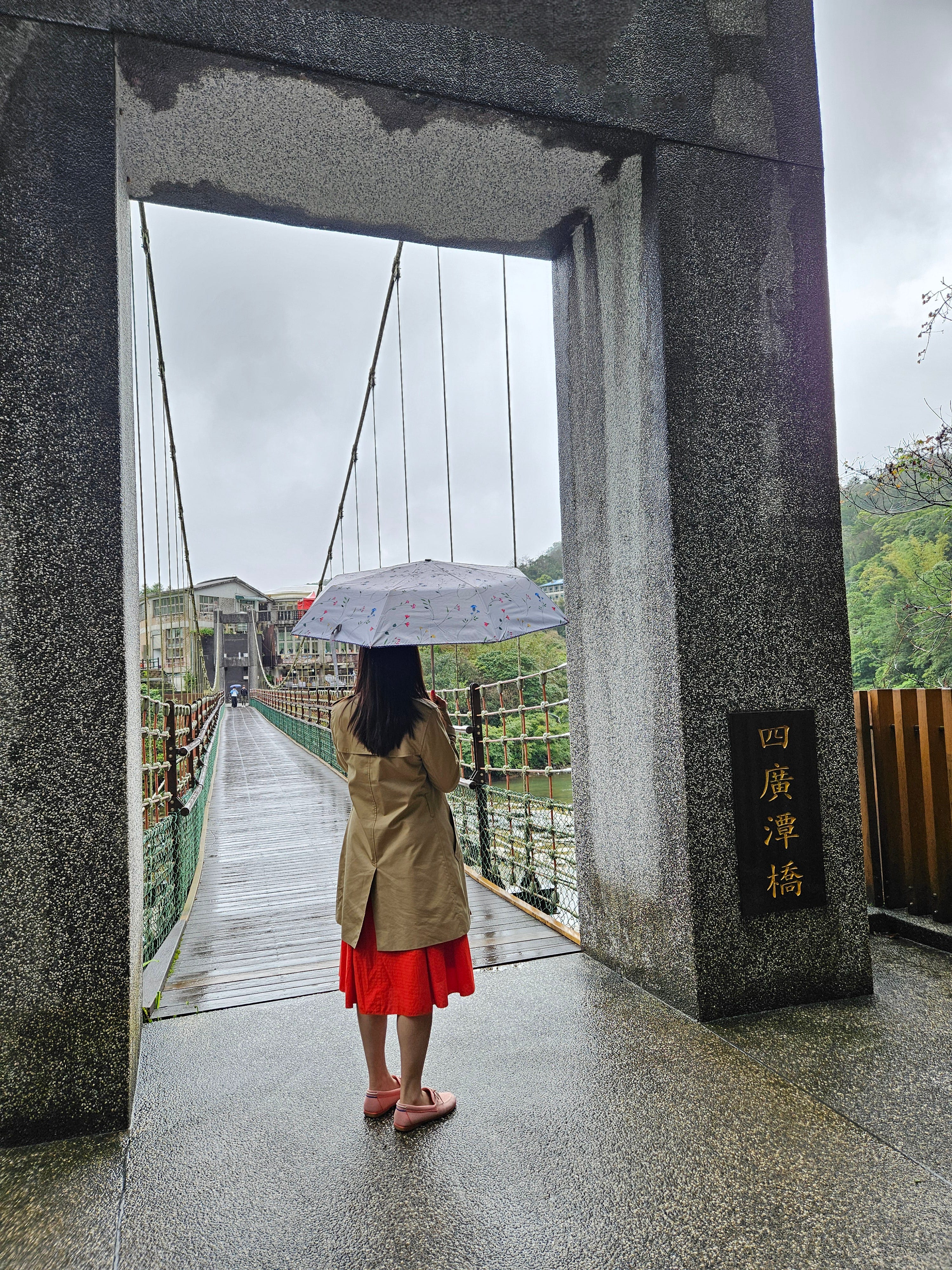
In The Fourth Daughter by Lyn Liao Butler, food, letters, lost family, and even people like Clare Shih become metaphorical bridges — mending bonds, crossing decades of silence, and connecting the repression of martial-law Taiwan to present-day healing. What “bridges” exist in your own life that link past repression to your present expansion?
Do you agree that silence and repression created over 60 years of “tragic debt” for their family?
The book balances grief with movement forward. Did any anecdote make you feel both the weight of the past and hope for the future at the same time?

Journaling Prompts
The Debt You Carry: Write about a belief, fear, or silence you inherited from women in your family. How does it live in your body today? In what ways could you begin to expand beyond its limitations?
From Tragedy to Territory: Name one area of your life shaped by loss or repression. How do you inhabit that experience differently now compared to your memory of it? What perspective did you gain? What did you release?
“Sometimes, the most revolutionary thing a woman can do is simply decide to save herself.”
The Fourth Daughter by Lyn Liao Butler
Historically, women have been denied equal opportunities to express their voices and perspectives, and though progress has been made, the pursuit of equal representation and recognition persists. At Arbor of the Vine, we welcome allies in support of female agency and epistemic authority who advocate for women’s equal right to be heard, contribute, and lead. We champion depth, integrity, and inner alignment so that together, we rise!